
Resilience isn't a feeling. It's a Habit.

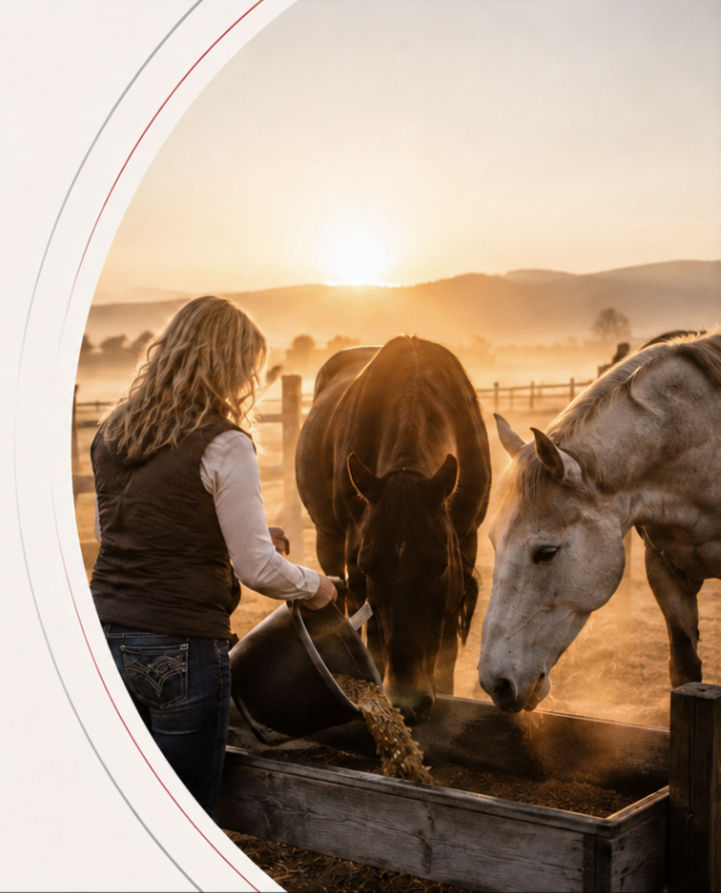
Every morning, my horses expect me to show up.
They don’t know whether I slept well. They don’t know if I’m worried about work, frustrated with a project, or carrying something heavy personally.
They know it’s morning.
And I’m supposed to be there.
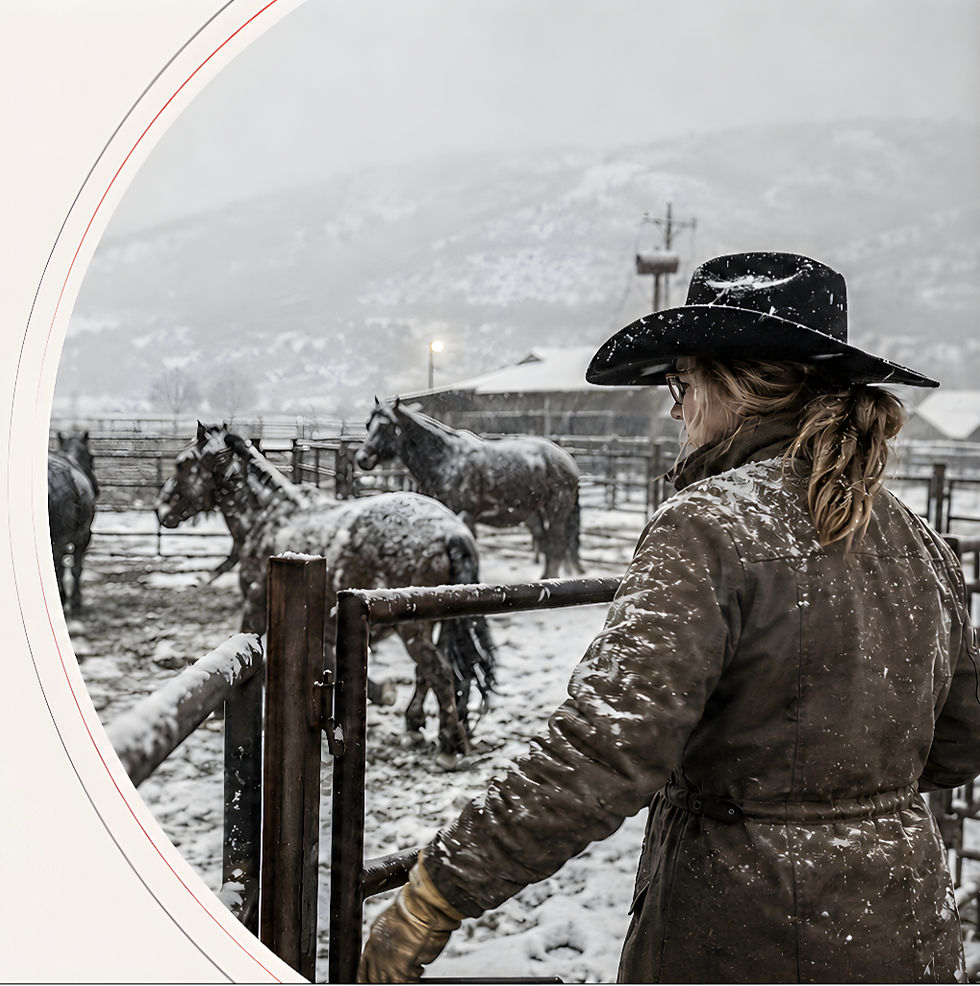
Some mornings are beautiful. Some are dark, cold and inconvenient.
Either way, I go.
After doing that thousands of times, you stop negotiating with yourself. You stop waiting to feel motivated.
You just go!
That may be one of the most important leadership lessons the ranch has ever taught me.
We make resilience too dramatic
When we talk about resilient people, we usually talk about what they did during the crisis.
But resilience isn’t usually built during the crisis.
It’s revealed there.
The building happened earlier.
It happened on ordinary mornings when nobody was watching.
It happened when you completed the task even though you were tired.
It happened when the project got frustrating and you kept working.
It happened when you had every excuse not to show up, and showed up anyway.
Resilience isn’t a feeling. It’s a habit.
Somebody is watching
My kids are growing up around horses.
They watched the same routine year after year.
I never needed to sit them down and explain grit to them. They saw it.
That realization eventually changed the way I thought about leadership.
We are always teaching someone what leadership looks like.
Employees watch managers. Children watch parents. New leaders watch experienced leaders. Teams watch what happens when their leader is under pressure.
What we repeatedly tolerate, avoid, confront or complete becomes part of the culture around us.
Leadership starts before the crisis
We sometimes imagine that when the important moment comes, we’ll suddenly rise to it.
Usually, we fall back on our habits.
If your habit is avoidance, you’ll avoid.
If your habit is blaming, you’ll blame.
If your habit is waiting until you feel confident, you’ll wait.
But if you’ve practiced showing up, you already know what to do.
You go.
That consistency follows you from the barn into the boardroom. Into the difficult conversation. Into the project nobody quite knows how to solve. Into the moment when everybody else is waiting for somebody to act.
Find your 5 AM
Your 5 AM probably isn’t feeding horses.
Maybe it’s the difficult conversation you’ve been avoiding.
Maybe it’s consistently developing your team.
Maybe it’s protecting time to work on the business instead of constantly reacting inside it.
Maybe it’s one promise you’ve made to yourself that you keep renegotiating.
Whatever it is, leadership doesn’t begin when somebody gives you permission.
It begins when you decide you’re someone who shows up.
What is my 5 AM?
And then tomorrow—go!

Comments